Source Hand Push Snow Cleaning Machine for Farms, Estates, and Driveways
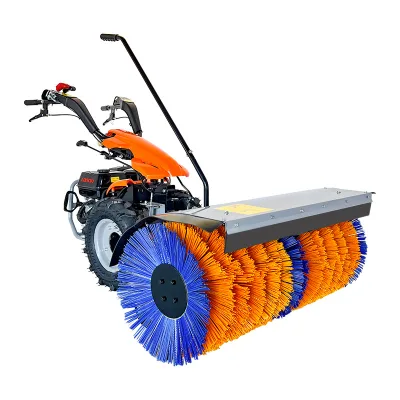
Compare 30 hand push snow cleaning machines from verified suppliers. These units feature gasoline engines, manual starting, and varying working widths to suit commercial farming, estate maintenance, and driveway clearing needs; compare the available evidence and request quotations based on your requirements.
Key considerations
Products List


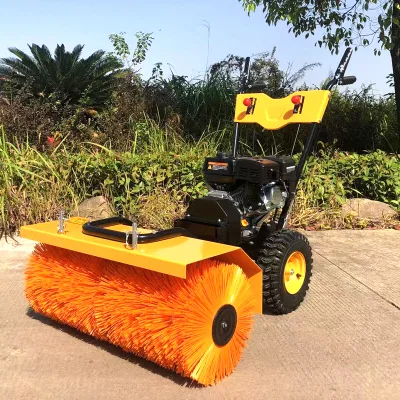
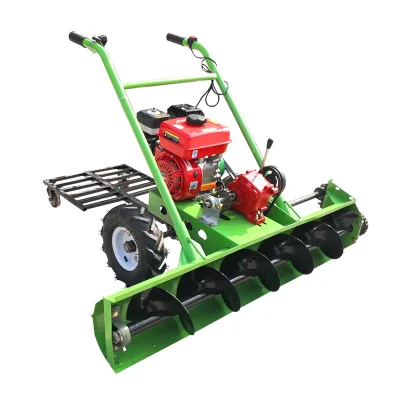


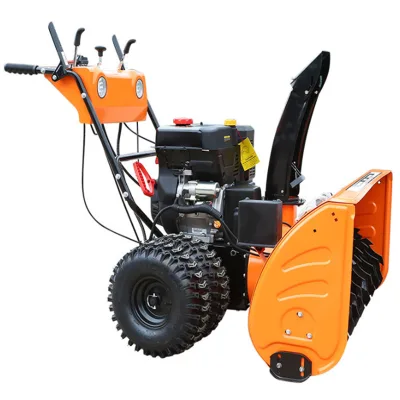


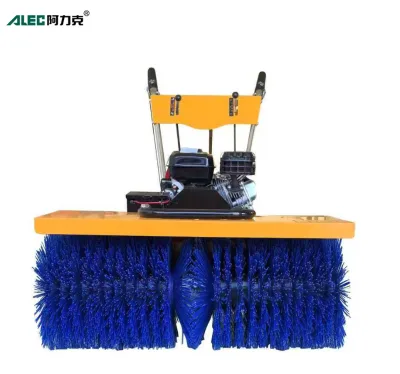


Comprehensive Sourcing Guide
Hand Push Snow Cleaning Machine Sourcing Guide
Procuring hand-push snow cleaning equipment requires a clear distinction between manual sweepers and powered throwers, as the market often conflates these categories. Buyers must first define whether the operational need involves simple debris removal or active snow displacement. The observed listings reveal a mix of products, including wood chippers and snow throwers, which share similar manual handling characteristics but serve entirely different functions. Understanding this distinction is critical to avoiding procurement errors, as a machine labeled for "estate maintenance" may not possess the throwing mechanism necessary for heavy snow removal.
The decision to source from China offers access to a wide variety of models, yet it introduces the need for rigorous specification verification. Listings indicate a price range from $44 to $20,000, reflecting the vast difference between basic manual tools and complex gasoline-powered units. Buyers should focus on the specific mechanical attributes, such as drive systems and engine types, rather than generic product titles. This guide provides a framework for evaluating these machines based on observed technical data, ensuring that the selected equipment matches the intended commercial or agricultural application.
Product Scope and Observed Listing Signals
The current market landscape for hand-push snow cleaning machines includes a diverse array of powered units, primarily driven by gasoline engines. Observed data highlights models like the VOL-1100 and VOL-800A, which feature 15HP engines and specific throwing distances of 10-15 meters. These machines are designed for continuous operation, with some units supporting up to four hours of runtime. The presence of rear-wheel drive systems and central lever height adjustments indicates a focus on maneuverability and adaptability to varying snow depths, which are essential features for commercial estate maintenance and large-scale facility management.
In contrast, other listings in the same category describe products with significantly different specifications, such as wood chippers or semi-automatic sweepers. For instance, some units are described with a net power of 4.8kW and a weight of 74kg, while others weigh up to 275kg. This variance suggests that buyers must carefully scrutinize the product type and cutting or throwing methods. A machine marketed for "commercial farming" might be a chipper rather than a snow thrower, making it unsuitable for winter maintenance. Verifying the exact product name and working width, such as the 1100mm width observed in specific models, is vital to ensure the equipment meets the physical requirements of the snow removal task.
Technical Specifications to Verify
Engine performance and fuel capacity are primary technical indicators for powered snow cleaning machines. Buyers should verify the horsepower and kilowatt ratings, as observed listings show engines ranging from 4.8kW to 15HP. The fuel system is equally important, with specific models requiring 6.6L or 3.6L of #92 gasoline. Understanding the engine oil capacity, such as the 0.6L requirement noted in some units, helps in planning maintenance schedules and initial setup. Manual starter types are common, so buyers should assess the physical effort required for ignition, especially in cold weather conditions where starting can be challenging.
The physical dimensions and operational parameters directly impact usability in confined or large spaces. Key specifications to verify include the working width, throwing distance, and working depth. Observed data indicates a working width of 1100mm and a throwing distance of 10-15 meters, which are suitable for wide pathways and open areas. The weight of the machine, ranging from 74kg to 275kg, affects maneuverability and transport logistics. Additionally, features like brush head rotation angles or central lever adjustments for cutting height provide insights into the machine's adaptability. Buyers must ensure these mechanical features align with the specific terrain and snow conditions of their operational environment.
Compliance and Safety Documentation
Certification is a critical component of the procurement process, particularly for machinery involving high-speed rotating parts or combustion engines. Observed listings frequently mention CE and CB certifications, which are essential for market access in many regions, including Europe and parts of Asia. Buyers must request valid certification documents to verify that the machine meets local safety and electromagnetic compatibility standards. The presence of these certifications indicates that the manufacturer has undergone specific testing procedures, reducing the risk of regulatory non-compliance upon import and installation.
Beyond certifications, documentation regarding core components and quality control processes provides assurance of product reliability. Some listings highlight a one-year warranty for core components and provide video outgoing inspections, which serve as preliminary quality checks. Buyers should inquire about the availability of detailed operation manuals, parts diagrams, and maintenance guides. These documents are crucial for training staff and ensuring the machine is operated safely. Verifying that the supplier provides comprehensive technical support documentation helps mitigate the risks associated with complex mechanical equipment and ensures long-term operational efficiency.
Cost Drivers and Commercial Terms
The price range for hand-push snow cleaning machines is highly variable, influenced by engine power, build quality, and included features. Observed prices span from $44 to $20,000, reflecting the difference between basic manual tools and heavy-duty gasoline-powered units. Buyers should analyze the cost in relation to the observed specifications, such as the 15HP engine and 275kg weight of certain models, which command higher prices due to their robust construction and performance capabilities. Understanding these cost drivers helps in budgeting and selecting a machine that offers the best value for the specific operational needs.
Minimum order quantities (MOQ) and packaging details also impact the total cost of ownership. Observed MOQs range from 1 to 25 units, offering flexibility for both single-unit purchases and bulk procurement. Packaging methods vary, with some units shipped in strong exporting standard boxes and others in wooden packing, which affects shipping costs and protection during transit. Buyers should consider the total landed cost, including freight and insurance, when evaluating quotes. Negotiating terms related to packaging and shipping can significantly reduce overall expenses, especially for larger orders where bulk shipping discounts may apply.
Supplier Qualification and Quality Control
Supplier verification is essential to ensure the reliability of the equipment and the consistency of the supply chain. Buyers should prioritize suppliers who provide video outgoing inspections, as this practice demonstrates a commitment to quality control before shipment. The origin of the products, often listed as Shandong, China, indicates a concentration of manufacturing hubs for such machinery. Buyers should verify the supplier's production capabilities and history to ensure they can meet the required specifications and delivery timelines. Establishing a clear communication channel with the supplier helps in addressing any technical questions or custom requirements effectively.
Customization options and after-sales support are key factors in supplier selection. Some listings indicate that customization is available, allowing buyers to tailor the machine to specific operational needs. Buyers should inquire about the availability of spare parts, such as engine components and brushes, to ensure long-term maintainability. The warranty terms for core components, typically one year, should be clearly defined in the contract. Evaluating the supplier's responsiveness and technical expertise during the pre-sales phase provides insight into the level of support that will be available post-purchase, ensuring a smoother procurement experience.
Long-Term Procurement Checks
Continuous monitoring of machine performance and maintenance requirements is crucial for maximizing the lifespan of hand-push snow cleaning equipment. Buyers should establish a routine maintenance schedule based on the manufacturer's recommendations, including regular oil changes and filter replacements. The observed engine oil capacity of 0.6L and fuel tank capacity of 3.6L or 6.6L should be used to plan for consumable supplies. Keeping a log of operational hours and any issues encountered helps in identifying potential problems early and scheduling preventive maintenance, thereby reducing downtime and extending the machine's service life.
Feedback from end-users and periodic performance reviews are valuable for future procurement decisions. Buyers should gather insights from operators regarding the machine's ease of use, maneuverability, and effectiveness in different snow conditions. This feedback can inform future purchases, allowing for more accurate specification matching and supplier selection. Additionally, staying updated on industry trends and new model releases can provide opportunities to upgrade to more efficient or feature-rich machines. By maintaining a proactive approach to equipment management, buyers can ensure that their snow cleaning operations remain efficient and cost-effective over time.
FAQs
What is the power output of the Vol-1100 snow thrower?
The Vol-1100 snow thrower machine features a 15HP gasoline engine delivering 11kw of power. This unit operates with a net power of 3600rpm and includes a 6.6L fuel capacity for extended commercial farming and estate maintenance operations without frequent refueling stops.
How does the automation level affect operation?
This machine offers semi-automatic and automatic automation options depending on the specific model configuration. Users can select between hand-push operation types or automated modes, allowing flexibility for different commercial farming and estate maintenance tasks while maintaining control over the cutting height.
What certifications do these machines hold?
The products listed carry CE and CB certifications to ensure safety and compliance with international standards. These certifications apply to the gasoline engine models and confirm that the equipment meets necessary regulatory requirements for commercial use in various global markets.
Can I customize the product specifications?
Customization is available for this wood chipper and snow thrower product line to meet specific buyer needs. Buyers can request changes to dimensions, packing, or standard configurations, ensuring the final equipment aligns perfectly with their unique operational requirements and facility constraints.
What is the weight and dimension of the unit?
The machine weighs approximately 275 kg with dimensions of 910mm by 640mm by 750mm. Another model variant weighs 74 kg, offering a lighter option for different applications while maintaining a working width of 1100mm and a working depth of 500mm for effective snow clearing.
How long can the machine operate continuously?
The equipment supports continuous operation for up to 4 hours on a single fuel tank. This duration is supported by a 6.6L fuel capacity and a 0.6L engine oil requirement, ensuring reliable performance during extended commercial farming and estate maintenance shifts without interruption.
What is the starting method for the engine?
The engine utilizes a manual starting method for ignition and operation control. This manual starter type is standard across the Vol-1100 and similar models, providing a reliable and straightforward way to initiate the gasoline engine for immediate use in various weather conditions.